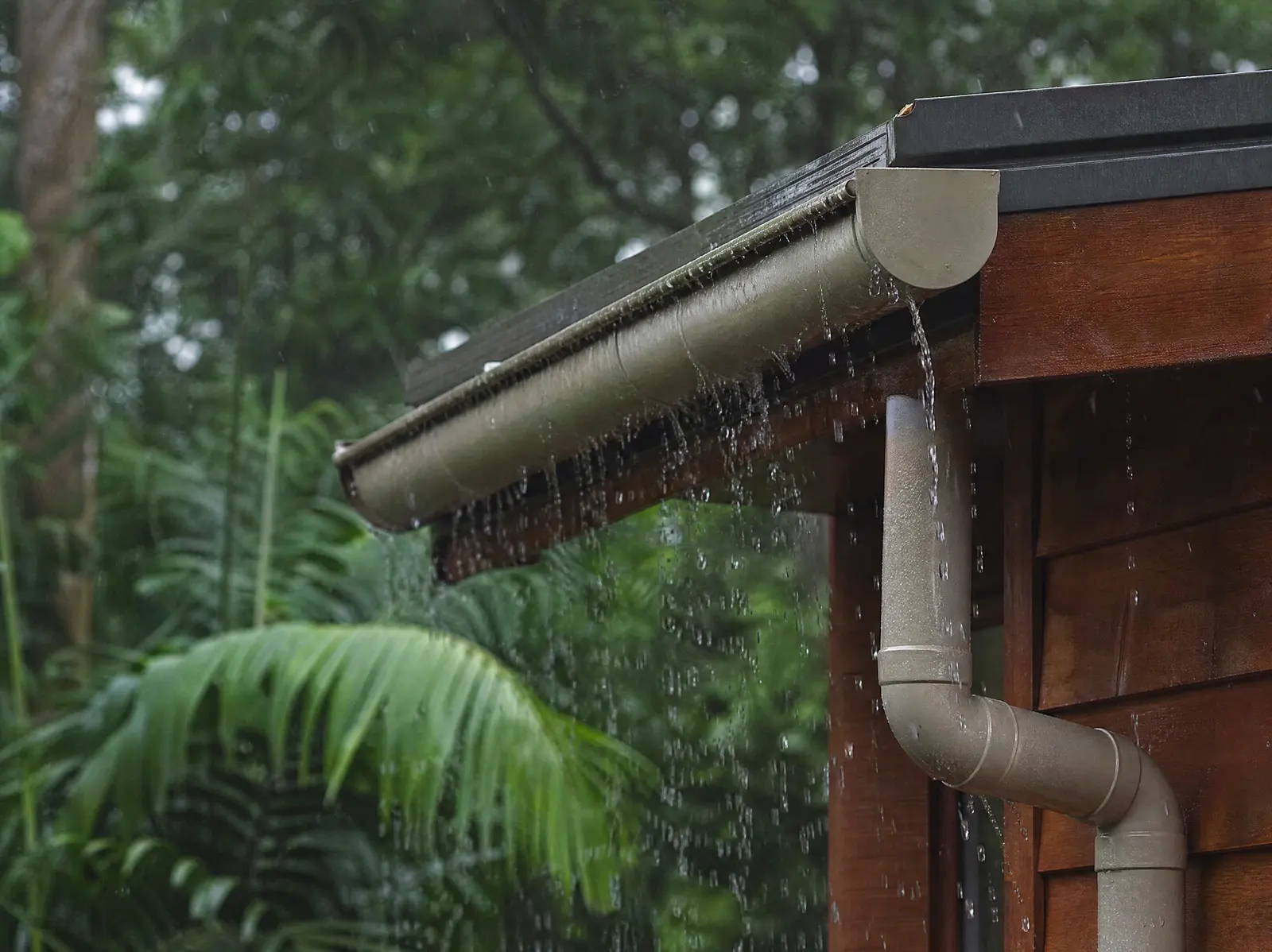
Roof inspection in Cairns before the wet season
Two inspections of the same Cairns roof can find the same rusted screws. One leaves you with a plan for the wet season. The other leaves you with a few words in the driveway. The difference is three things you ask for before the visit.
Roof inspection in Cairns: book it before the rain
A pre-wet-season roof inspection is a check of the sheets or tiles, fixings, flashings, gutters and ceiling space of a house before the Cairns wet season (roughly November to April). To arrange one in Cairns QLD, describe the roof in a free request on cairnsroofers.com. A person at Just Digital passes it by hand to one independent roofer whose QBCC licence has been checked on the public register. If the roofer takes the job, you deal with them from there.
Timing matters for three reasons. A dry roof is safer to work on. A loose screw or a lifted flashing may not leak until heavy tropical rain arrives. And cyclone season in Far North Queensland, roughly November to April, overlaps the wet, so the dry weeks of September and October are the time to find minor roofing faults and check how well everything is held down.
What a roof inspection usually checks
Visits differ from one roofer to the next, so ask which of these yours covers. A thorough check before the wet season usually looks at six areas, on residential metal and tiled roofs alike.
Sheets or tiles
On a metal roof: rust, holes and coating that has lost its colour. On tiled roofs: cracked, slipped or missing tiles.
Screws and fixings
Screws that have backed out or rusted at the head, and whether the fixings suit the cyclone-prone wind region Cairns sits in.
Flashings and ridge capping
Flashings (the metal strips that seal joints) lifting at walls, vents and skylights, and cracked mortar under the ridge capping along the top of a tile roof.
Valleys and gutters
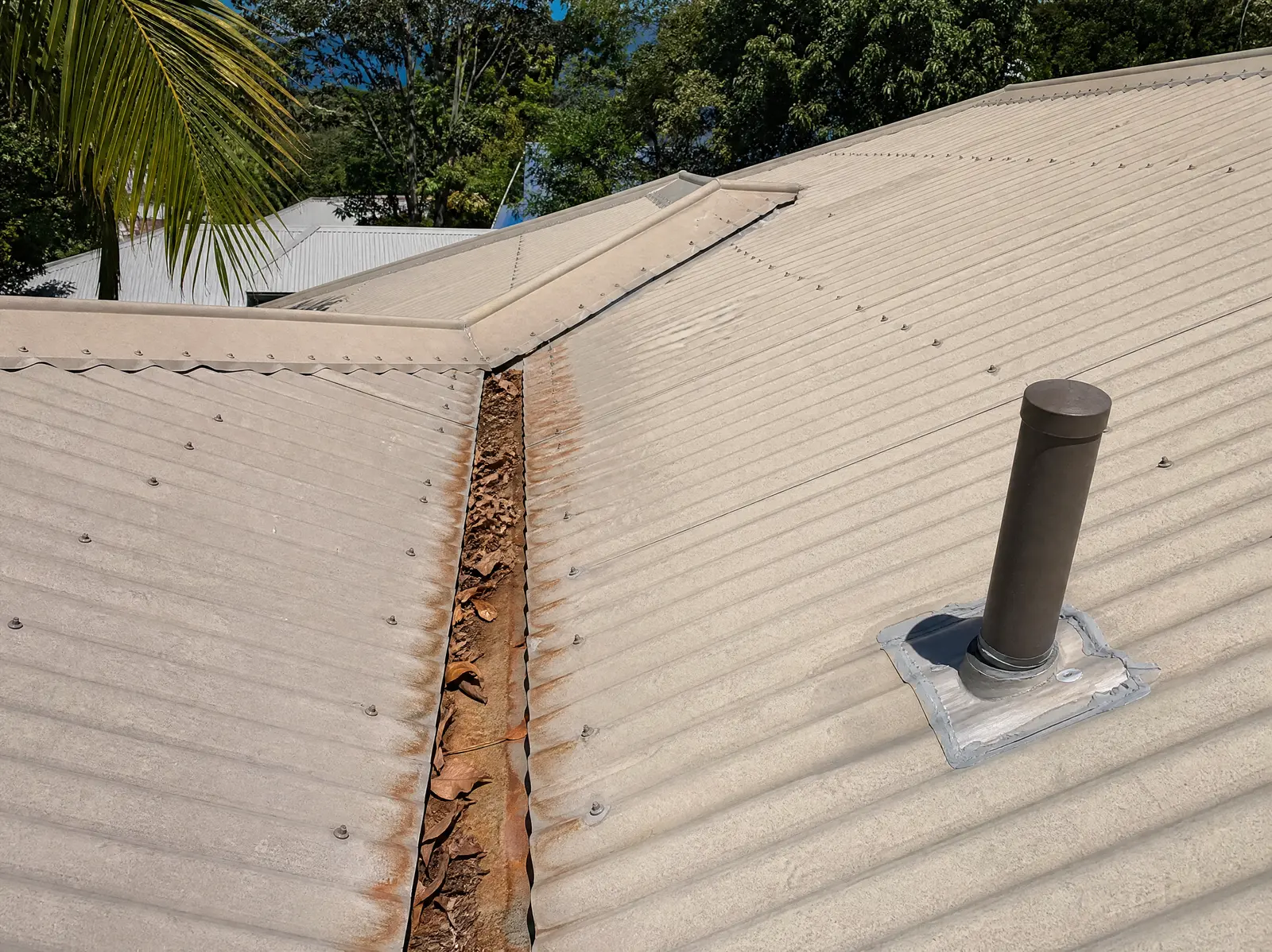
Leaves in the valleys (the channels where two roof slopes meet), which can make water back up under the sheets, and rusted gutter joins. In Queensland, gutter work needs a licence class that covers it, so ask whether the roofer's QBCC licence does. Underground stormwater drains are plumbing and drainage work.
The ceiling space
From inside the roof space: water stains on timber, damp insulation, daylight through gaps and any structural sagging.
Signs of past leaks
Ceiling stains and old patches show where water has come in before. Finding where an active leak gets in, sometimes called leak detection, is a separate job.
Three things to ask for in writing
The difference between a useful visit and a few words in the driveway is what you ask for before it. Ask the roofer to give you three things in writing.
A list of what was checked
Each area from the list above, marked checked or not checked, so you know what the visit left out.
A photo of each problem
Every fault found, photographed, so you can see it without going up and show it to a second roofer for a quote. The same photos let you check for quality workmanship once the repair is done.
What is urgent and what can wait
Each problem marked as one to fix before the wet season or one that can wait, with a price for the urgent work.
Whether a roofer gives a written report, and in what format, is up to that roofer, so ask before you book. A written list is a more reliable way to compare two roofers' advice than anything said on the day.
Before the roofer arrives: what you can do from the ground
- Write down where water came in during the last wet season: which room, and in what kind of rain.
- Photograph ceiling stains, and take photos from the yard or the street. Never climb up.
- Clear a path to the manhole (the ceiling hatch) so the roofer can get into the ceiling space.
- Note roughly when the roof went on, and any repairs done since.
- On the northern beaches, such as Trinity Beach and Palm Cove, ask the roofer to look closely for corrosion, because coatings and fixings age faster near the sea.
After the visit: fix now, plan, or leave it
A single fault, such as one lifted flashing or a few rusted screws, is a job for roof repairs, and finding it in September or October leaves time to book the work before the heaviest rain. Stains that keep coming back need the source traced, which is what roof leak repair covers. If the coating or the tiles are wearing out everywhere, ask for a roof restoration price as well, and ask about a new roof if rust has gone through the metal in many places.
Any fee, how soon the roofer can come and the report format all depend on the roofer. If the roofer calls, ask about each one. Ask too whether they are insured, with proof, and what the workmanship warranty covers, in writing. Then check the QBCC licence number on the public register. To ask for an inspection, use the quote request form.
Common questions
Is a roof inspection free?
Sending the request through this site is free. Whether the roofer charges for the visit depends on the roofer, so ask before you book.
Can a roof be inspected during the wet season?
Yes, but a wet roof is slippery and storms can push visits back. Booking in the dry months leaves time for any fixes before the heaviest rain.
Do I need a building inspector or a roofer?
A building inspection covers the whole building. A pre-wet-season check is done by a roofer and looks only at the roof and the ceiling space. If you are buying a house, you may want both.
Related
Get your free roof quote
Send the details once. A person passes them by hand to one QBCC-licensed roofer.